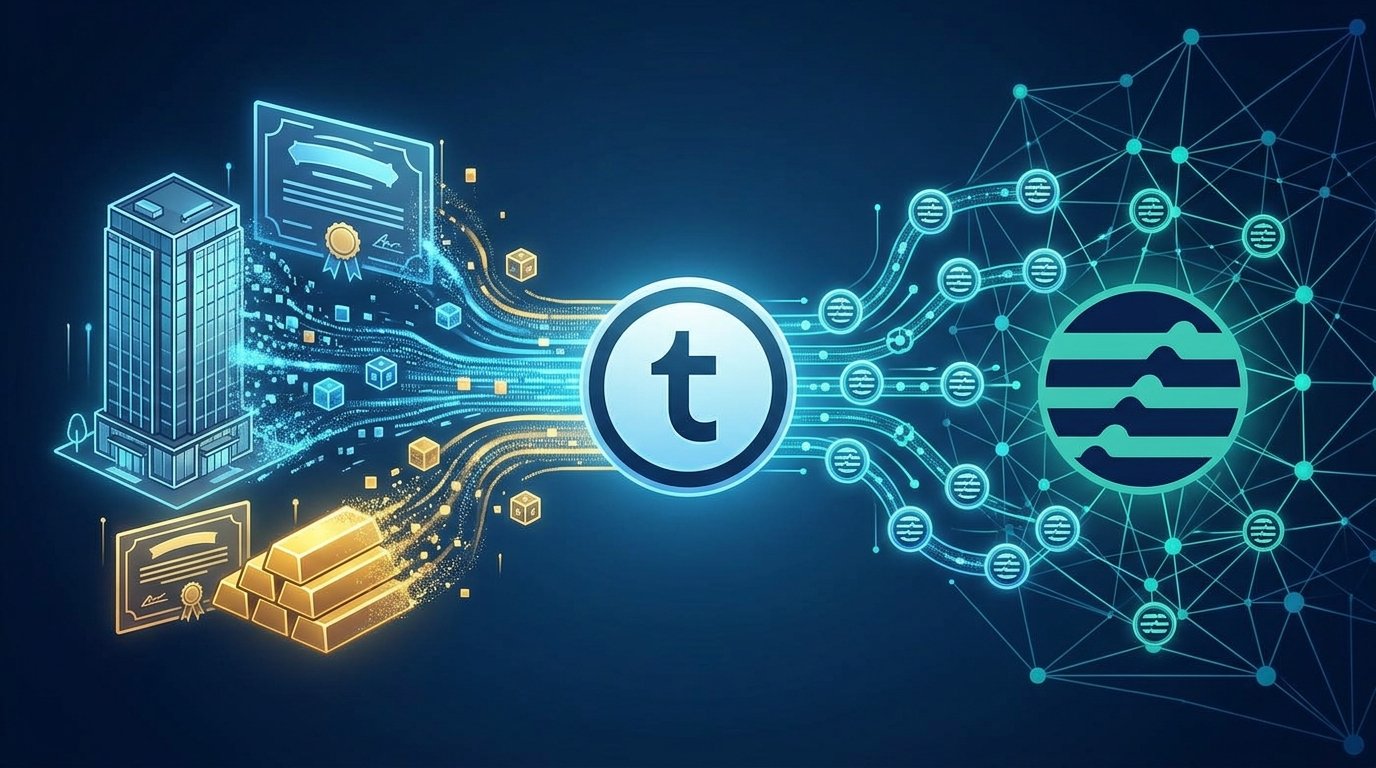
The financial world is rapidly evolving as blockchain technology continues to redefine how assets are created, managed, and traded. One of the most transformative innovations in this space is real-world asset (RWA) tokenization, which bridges traditional finance with decentralized systems. In this context, the announcement of tZERO bringing institutional RWA tokenization to Aptos marks a significant milestone for both institutional investors and the broader blockchain ecosystem.
This development represents more than just a technological integration; it signals a shift in how real-world assets such as real estate, private equity, commodities, and debt instruments can be digitized and accessed globally. By leveraging the high-performance Aptos blockchain, tZERO is positioning itself at the forefront of institutional-grade tokenized finance, enabling faster settlement, improved liquidity, and greater transparency.
As global demand for blockchain-based financial infrastructure continues to grow, the collaboration between tZERO and Aptos highlights the increasing convergence of traditional capital markets and decentralized technologies. This article explores how this integration works, why it matters, and what it means for the future of institutional RWA tokenization.
Understanding tZERO and Its Role in Digital Finance
The Evolution of tZERO in Blockchain Markets
tZERO has long been recognized as a pioneer in digital securities and blockchain-based trading systems. As a regulated platform focused on security tokens, tZERO has consistently worked toward modernizing capital markets by introducing blockchain efficiency into traditionally slow and fragmented financial systems.
With its focus on tokenized securities infrastructure, tZERO has enabled issuers and investors to interact in a more transparent and efficient environment. The expansion into institutional RWA tokenization on Aptos further strengthens its role as a bridge between Wall Street and Web3 innovation.
This evolution is not accidental but rather a strategic response to the growing institutional demand for regulated blockchain solutions. As more financial institutions explore digital assets, platforms like tZERO provide the compliance-driven foundation necessary for large-scale adoption.
Institutional Focus and Market Demand
The increasing participation of institutional investors in digital assets has accelerated the need for secure, scalable, and compliant blockchain infrastructure. Institutions require systems that not only support real-world asset tokenization but also ensure regulatory alignment, auditability, and liquidity.
tZERO’s approach addresses these needs by combining traditional financial safeguards with blockchain-native efficiency. This makes it particularly attractive for asset managers, hedge funds, and private equity firms seeking exposure to tokenized markets without compromising regulatory standards.
Why Aptos is a Strategic Blockchain for RWA Tokenization
High Performance and Scalability Advantages
The choice of the Aptos blockchain is central to this collaboration. Aptos is designed for high throughput, low latency, and parallel execution, making it ideal for handling institutional-level financial transactions. These features are critical when dealing with RWA tokenization platforms, where transaction volume, speed, and reliability are essential.
Unlike older blockchain networks that struggle with congestion and high fees, Aptos offers a scalable infrastructure capable of supporting global financial operations. This makes it a strong foundation for tokenized assets that require continuous trading, settlement, and verification.
Security and Developer Innovation
Security remains a top priority for institutional adoption. Aptos integrates advanced safety mechanisms and a robust smart contract language that reduces vulnerabilities often seen in legacy blockchain systems. This ensures that tokenized real-world assets maintain integrity throughout their lifecycle.
In addition, Aptos provides a developer-friendly environment that encourages innovation in decentralized finance applications. This allows platforms like tZERO to build sophisticated tokenization frameworks tailored specifically for institutional needs.
The Rise of Real-World Asset Tokenization
Bridging Traditional Assets with Blockchain
Real-world asset tokenization (RWA tokenization) refers to the process of converting physical or traditional financial assets into digital tokens on a blockchain. These tokens represent ownership or fractional rights to assets such as real estate, bonds, or commodities.
By digitizing these assets, tokenization enhances liquidity, reduces settlement times, and opens up investment opportunities to a broader audience. tZERO’s expansion into institutional RWA tokenization on Aptos strengthens this bridge between traditional finance and blockchain ecosystems.
This process also enables fractional ownership, allowing investors to participate in high-value assets without requiring large capital commitments. As a result, previously illiquid markets become more accessible and efficient.
Institutional Adoption of Tokenized Assets
Institutional investors are increasingly exploring tokenized markets due to their efficiency and transparency. Unlike traditional systems that rely on intermediaries, blockchain-based tokenization allows for direct peer-to-peer transactions with verifiable ownership records.
The integration of tZERO’s tokenization infrastructure with Aptos provides institutions with a compliant and scalable entry point into this emerging market. This is particularly important as regulatory frameworks around digital assets continue to evolve globally.
How tZERO and Aptos Collaboration Works
Infrastructure Integration for Tokenized Markets
The collaboration between tZERO and Aptos is built around integrating institutional-grade trading systems with high-performance blockchain infrastructure. tZERO brings its expertise in regulated digital securities, while Aptos provides the underlying blockchain technology required for scalability and execution.
This combination allows for seamless issuance, trading, and settlement of tokenized real-world assets. The result is a more efficient financial ecosystem where assets can move across markets with reduced friction and improved transparency.
Enhancing Liquidity and Market Access
One of the most significant benefits of this integration is improved liquidity. Traditional markets often suffer from limited liquidity, especially in alternative assets such as private equity or real estate. Through RWA tokenization on Aptos, these assets can be fractionalized and traded more easily.
This opens new opportunities for investors while enabling asset owners to unlock previously inaccessible capital. The increased liquidity also contributes to more accurate asset pricing and market efficiency.
Institutional Benefits of RWA Tokenization on Aptos

Improved Transparency and Compliance
Institutional investors require strong compliance frameworks, and blockchain technology provides inherent transparency through immutable records. Every transaction involving tokenized assets is recorded on-chain, ensuring auditability and reducing operational risk.
tZERO’s regulatory experience combined with Aptos’s secure infrastructure ensures that institutional RWA tokenization meets stringent compliance standards. This makes it easier for traditional financial institutions to adopt blockchain-based solutions without regulatory hesitation.
Cost Efficiency and Operational Optimization
Traditional asset management systems often involve multiple intermediaries, resulting in high operational costs and delays. Tokenization significantly reduces these inefficiencies by automating processes through smart contracts.
By integrating with Aptos, tZERO enables faster settlement times and reduced administrative overhead. This leads to cost savings for both issuers and investors, making tokenized assets more attractive in the long term.
Market Impact of tZERO’s Expansion into Aptos
Accelerating Blockchain Adoption in Finance
The partnership between tZERO and Aptos represents a broader trend of institutional adoption of blockchain technology. As more financial players enter the space, the infrastructure supporting digital assets must evolve to meet increasing demand.
This collaboration signals confidence in blockchain-based financial systems as a viable alternative to traditional market infrastructure. It also highlights the growing importance of interoperability between legacy systems and decentralized platforms.
Expanding Global Investment Opportunities
By enabling institutional RWA tokenization on a scalable blockchain, tZERO and Aptos are effectively globalizing access to financial markets. Investors from different regions can participate in tokenized asset markets without geographical limitations.
This democratization of investment opportunities is one of the most transformative aspects of blockchain technology, and it is expected to reshape global capital flows over the coming years.
Challenges and Future Outlook
Regulatory Uncertainty and Market Maturity
Despite its potential, RWA tokenization still faces regulatory challenges in many jurisdictions. Governments and financial regulators are still developing frameworks to accommodate blockchain-based financial systems.
However, platforms like tZERO, which prioritize compliance, are well-positioned to navigate these challenges. Their collaboration with Aptos strengthens their ability to operate within evolving regulatory environments.
Future Growth of Tokenized Financial Ecosystems
The future of real-world asset tokenization is expected to be deeply integrated with blockchain infrastructure like Aptos. As technology matures, more asset classes will likely become tokenized, including infrastructure projects, intellectual property, and structured financial products.
tZERO’s expansion into this ecosystem is an early indicator of where institutional finance is headed—toward a more digital, efficient, and globally connected system.
Conclusion
The integration of tZERO’s institutional expertise with the high-performance Aptos blockchain marks a significant milestone in the evolution of digital finance. By enabling institutional RWA tokenization on Aptos, this collaboration bridges the gap between traditional financial systems and decentralized blockchain infrastructure.
As the demand for transparency, efficiency, and liquidity continues to grow, tokenized real-world assets are poised to become a cornerstone of modern financial markets. tZERO’s strategic expansion not only strengthens its position in the digital asset space but also accelerates the global shift toward blockchain-powered capital markets.
The future of finance is increasingly tokenized, and initiatives like this demonstrate how institutional-grade solutions can lead the way in shaping a more accessible and efficient financial ecosystem.
Leave a Reply